May 7, 2026
As temperatures rise, ensuring your air conditioning system is in optimal condition becomes crucial. Maintenance and repairs are key to avoiding discomfort and high energy bills during the hottest months of the year. Here, we'll explore the top signs that you may need AC repair before summer is in full swing.
Inadequate Cooling Performance
When your air conditioning unit is not cooling your home effectively, it might indicate underlying issues. Often, the first sign of inadequate cooling is noticing an increase in indoor temperatures even when the AC is running. This could be due to a variety of factors, including low refrigerant levels or a malfunctioning compressor. Another common symptom is the air conditioning running continuously but without effectively cooling the space. If you observe warm air blowing from the vents, it is critical to call a professional for diagnostics and AC repair.
Rooms within the same home experiencing noticeable temperature variations also hint at a problem with your AC system. These temperature inconsistencies could result from improper insulation, making some areas cooler or warmer than others. It might also suggest an airflow issue, with certain ducts blocked or leaking. Finally, difficulty reaching the desired thermostat setting can be frustrating and signal a system that needs attention. Such problems should not be ignored, especially as energy bills rise.
An inefficient cooling system is not only uncomfortable but also expensive. According to ServiceTitan, air conditioners generally account for about 12% of electricity usage in U.S. homes. A malfunctioning AC can lead to a significant increase in your electric bill, which is a clear indicator that something is amiss. Identifying these cooling issues promptly can prevent further damage and ensure your home remains comfortable throughout summer. Always reach out to a qualified technician to assess and fix cooling issues and maintain efficiency.
Unusual Noises
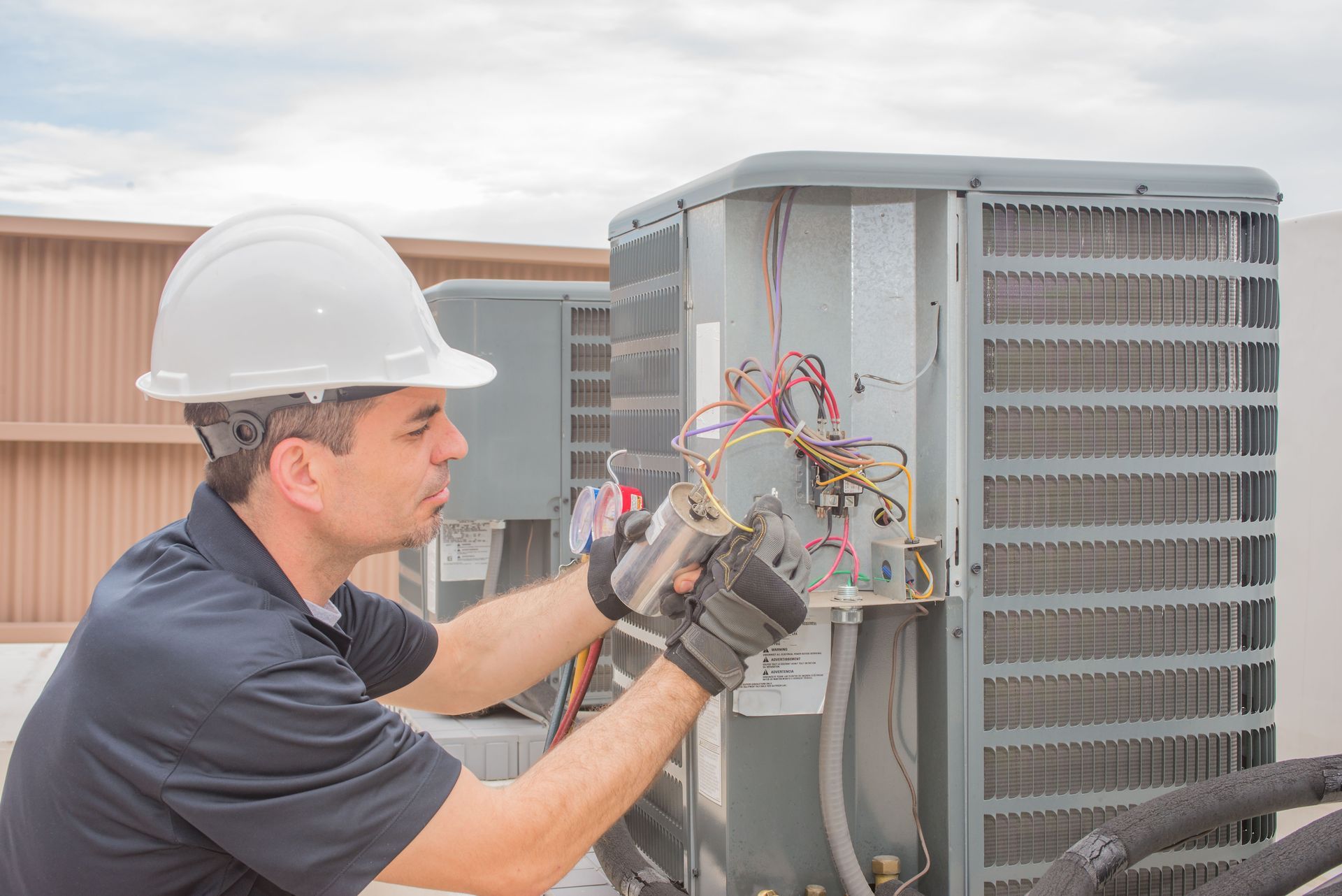
Noises coming from your AC unit can be an early sign of a problem. Grinding or squealing sounds may indicate issues with the motor, suggesting that parts are wearing out and may need lubrication or replacement. These sounds are typically a sign that ignoring the problem could result in more significant damage. Another alarming noise is banging or clanking, which could mean that a component inside the compressor is coming loose. It's crucial to address these sounds immediately, as they might lead to a costly AC repair if left unchecked.
Hissing noises from the unit may indicate a refrigerant leak, a serious issue that requires prompt professional attention. Refrigerant leaks not only compromise the efficiency of your AC but can also harm the environment. Similarly, rattling or vibrating sensations may result from loose parts or components within the system. Ensuring that all parts are secured can prevent these noises and maintain the health of your unit. Lastly, if you hear clicking sounds during start-up or shut-down, you might be dealing with an electrical issue that needs to be rectified.
Water Leaks Around the AC Unit
Water leaks around your AC unit are common indicators of a problem. A clogged drain line is a common cause of water pooling around the AC, which can be resolved by cleaning or replacing the drainage system. However, ignoring such leaks can lead to more severe issues, including water damage to your property. Ice build-up on indoor evaporator coils is another sign that something may be wrong, pointing to low refrigerant levels or a dirty filter impeding airflow. Regular check-ups of these components can prevent unnecessary water leakage.
Excessive humidity in your home, along with water leaks, suggests the AC unit is not functioning optimally. High humidity levels can create uncomfortable living conditions and promote mold growth. Water stains or pools of water near your indoor AC unit can also be a sign of poor insulation or an aged unit that's beyond repair. Addressing these problems promptly can prevent mold and mildew from taking hold in your home environment. Mold is not only destructive but can also lead to health problems, making this an issue of utmost importance.
Mold growth due to unchecked water leaks can have serious health implications. Mold thrives in damp, warm environments, so minimizing leaks and maintaining ideal humidity is essential. Regular maintenance and component checks can help mitigate mold risk, keeping your home's air quality safe and healthy.
Foul or Unusual Odors
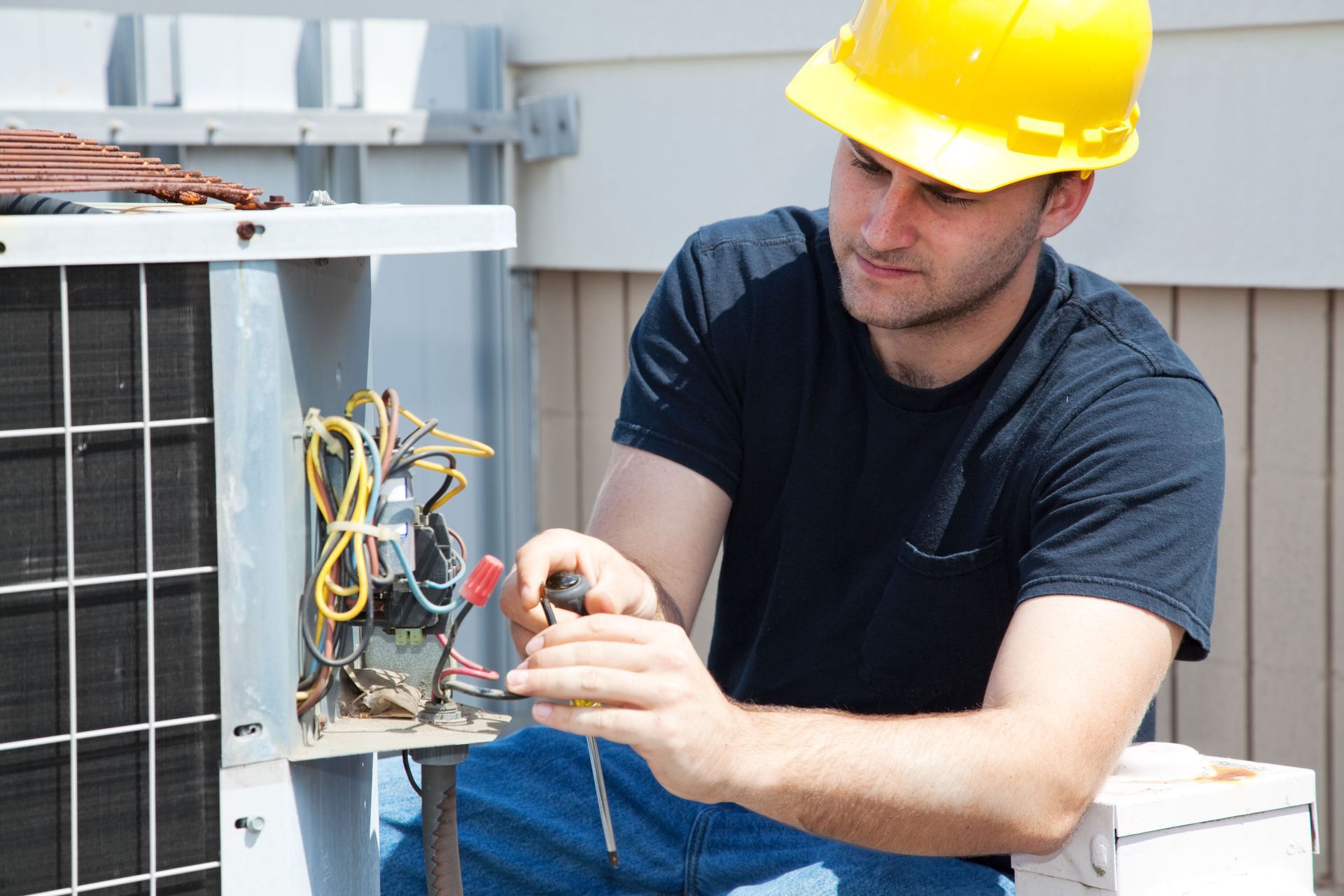
Foul odors emanating from your AC can indicate various underlying problems. A burning smell typically indicates electrical issues that can pose significant safety risks if not promptly addressed. Such odors can result from burnt wiring or components overheating within the system. Alternatively, musty odors are often associated with mold or mildew development inside ducts or the unit itself. This could result from water leakage or improperly maintained components, creating ideal conditions for mold to thrive.
Chemical smells are often indicative of refrigerant leaks. These leaks can be hazardous to health and should be inspected and repaired by professionals as soon as possible. Another potential cause of odor is the stagnation or buildup in clogged filters, which can contribute to stale air quality. Stale odors reduce indoor air comfort and can signal a need for routine filter changes. That said, there is also the possibility of pest infestations within the system, which can cause unpleasant smells and require immediate pest control measures.
Dealing with odors from an AC unit requires a thorough investigation to determine the source. Timely interventions can prevent minor odor issues from escalating into a major functional AC repair.
High Energy Bills
An increase in your energy bills is another indication that your AC system might be malfunctioning. Sometimes, the issue lies with unexplained, sudden spikes in electricity costs, which can often be traced back to the AC unit. Your system may have become inefficient due to dirty filters or other operational hindrances. As filters become clogged, the AC must work harder to maintain the set temperature, thus using more energy. This increased demand can lead to overheating and system strain, compounding costs and reducing unit lifespan.
Aging systems often fail to operate efficiently, increasing energy consumption and expenses. These older models may struggle to maintain the set cooling rates, thereby cycling more frequently to manage indoor climate demands. Meanwhile, frequent cycling can be attributed to malfunctioning thermostats, further exacerbating energy consumption. Moreover, refrigerant issues can significantly burden an AC system, pushing energy usage off the charts. Any such aberrations in an AC system require immediate professional assistance to diagnose and remedy the cause.
Potential savings hinge on professional evaluations and timely maintenance of units to ensure peak operation during the summer months. Such evaluations can also help understand consumption patterns and calibrate units accordingly. By regularly monitoring bills and implementing strategic AC repairs, you can maintain both budget and unit efficiency.
Frequent Cycling On and Off
Frequent cycling, or short cycling, is when your AC turns on and off rapidly without completing its full cooling cycle. This symptom can stem from problems such as a misread thermostat or incorrect placement within the home. Short cycles inadequately dehumidify and cool your space, requiring professional attention to prevent increased wear on integral components. These issues, if left unaddressed, can lead to escalating operational inefficiencies and heightened energy bills. Such persistent cycling symptoms necessitate a qualified technician's intervention to rectify thermostat or component issues.
Airflow problems can also lead to frequent cycling, which may stem from airflow blockages or malfunctioning blower fans. These obstacles prevent the AC from maintaining consistent temperatures, causing it to switch on and off more frequently. At the electrical level, failures in components such as capacitors and sensors may also cause irregular cycling behavior. Regular maintenance and inspection of electrical components ensures optimal airflow and keeps the cycle functioning smoothly. Addressing these cycling irregularities early is key to preventing deeper, more expensive problems.
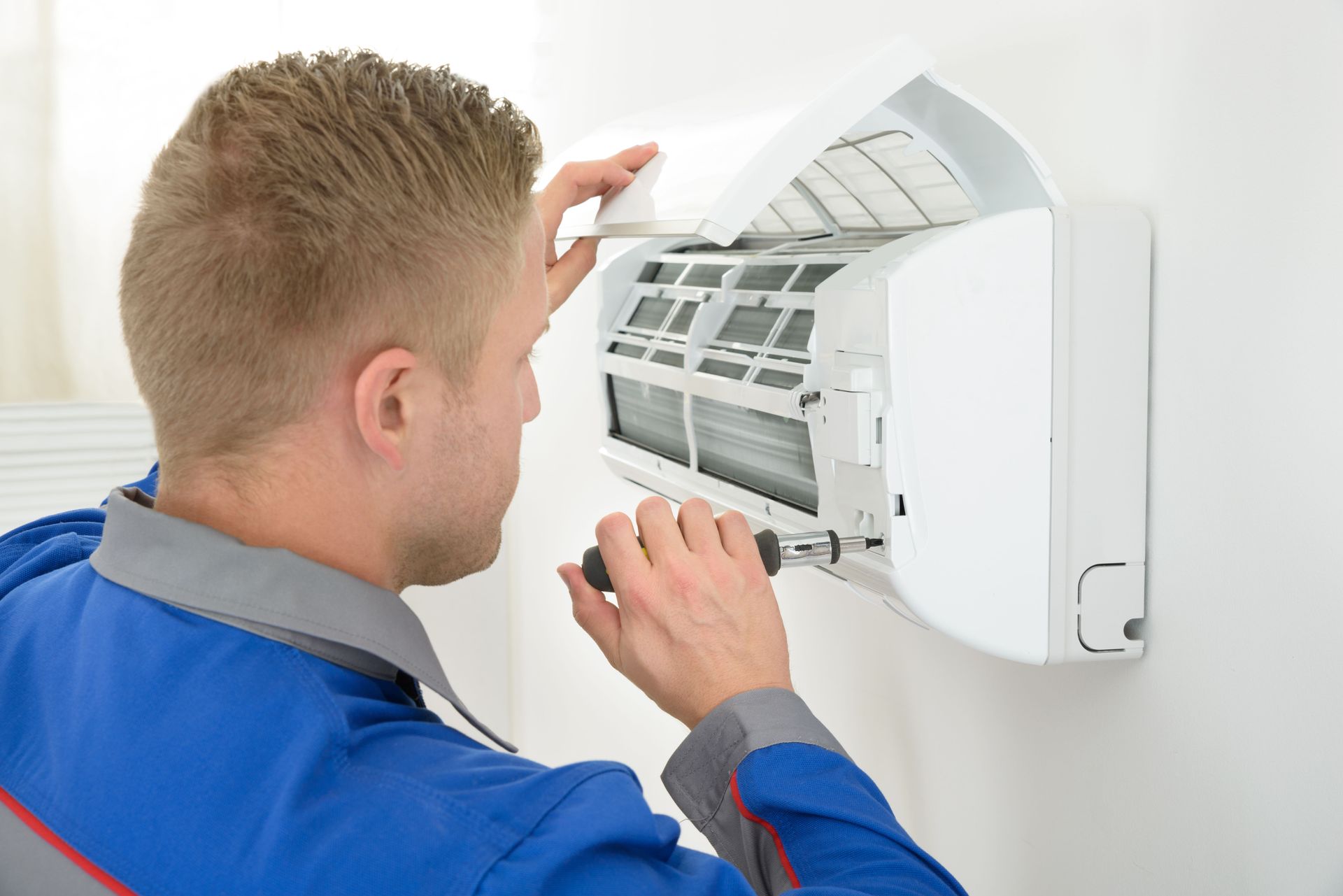
Identifying these signs early can prevent more significant issues and costly AC repairs. Regular maintenance can help ensure your AC operates efficiently throughout the summer months. Contact Hunter Heating and Cooling today for AC repair today!